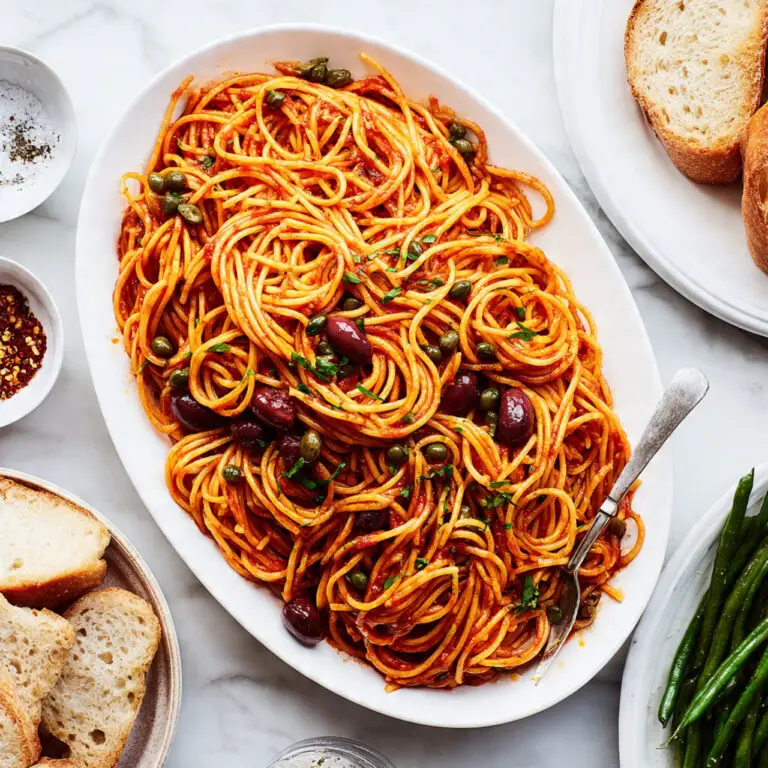
If you’ve ever dreamed of bringing the authentic taste of Japanese cuisine right into your own kitchen, this Homemade Ramen Noodles Recipe is going to be your new best friend. There is something wonderfully satisfying about crafting your own noodles from scratch—a process that transforms simple ingredients into silky, springy strands that soak up all the delicious broth and toppings you pile on. Whether you’re a longtime ramen lover or just starting on your noodle-making journey, this recipe is designed to guide you through every step with warmth and enthusiasm, guaranteeing fresh, mouthwatering noodles every time.
Ingredients You’ll Need

The magic of this Homemade Ramen Noodles Recipe lies in its simplicity. Each ingredient plays a crucial role in creating the perfect texture, flavor, and color of the noodles, making them a pleasure to eat and easy to handle during cooking.
- Bread flour (2 cups): Using bread flour gives the noodles their signature chewiness due to its higher protein content.
- Water (around 190 ml): Essential for hydrating the flour and activating the gluten, water balances the dough consistency.
- Large egg (1): Adds richness and a beautiful golden hue to the noodles.
- Kansui (1 tablespoon): This alkaline solution is what makes ramen noodles unique, helping develop that distinct springy texture and flavor.
- Salt (1/2 teaspoon): A simple seasoning that subtly enhances the noodle’s flavor.
How to Make Homemade Ramen Noodles Recipe
Step 1: Prepare Your Ingredients
Start by measuring out 2 cups of bread flour into your Philips pasta machine—this ensures you get the right amount of gluten development. Add ½ teaspoon of salt directly into the flour before covering with the machine’s lid. Meanwhile, crack a large egg into a measuring cup, then add 1 tablespoon of kansui. Top off with water until you reach about 190 ml total liquid; a little over the mark is okay, but try not to overdo it. Give this mixture a good stir until fully combined.
Step 2: Start the Noodle Making Machine
Plug in your pasta machine and select the setting for 2 cups of flour. Press start to let the machine begin mixing the dry flour with the wet ingredients. As it runs, slowly pour the egg and kansui water mixture through the holes on top of the lid, allowing it to seamlessly integrate into the dough. The magic happens here as fresh noodles start emerging from the machine’s rollers. Cut the strands to your preferred length. Expect this process to take around 15 minutes, which yields enough noodles for 4 to 6 servings.
Step 3: Cook Your Fresh Ramen Noodles
Bring a large wok or pot of water to a rolling boil. Drop your freshly made noodles into the water and cook, checking every 30 seconds after the first two minutes, to find the perfect texture. Typically, 2 to 3 minutes is just right for fresh ramen noodles, but feel free to adjust based on your preferred bite.
Step 4: Rinse and Ready to Use
Once cooked, drain the noodles immediately and rinse them under cold water. This step stops the cooking process and helps maintain a firm yet tender texture. Now your noodles are primed for whatever delicious adventure you have next—whether it’s a steaming bowl of soup or a stir-fried delight.
How to Serve Homemade Ramen Noodles Recipe

Garnishes
The beauty of your Homemade Ramen Noodles Recipe is how versatile it is with toppings. Classic garnishes include slices of tender chashu pork, soft-boiled egg halves, bamboo shoots, nori sheets, and a handful of fresh scallions. Don’t forget a drizzle of sesame oil or chili oil to elevate each bite with a burst of warm aroma.
Side Dishes
Pair your noodles with simple sides that complement the flavors, such as pickled vegetables, edamame, or a small bowl of seaweed salad. These light accompaniments balance the richness of the ramen and keep your meal both satisfying and fresh.
Creative Ways to Present
Want to impress at your next dinner? Serve your homemade noodles in rustic bowls with colorful broth and artfully arranged toppings like vibrant vegetables and herbs. You can also twist the tradition by stir-frying the noodles with a medley of vegetables and your favorite protein for a quick, satisfying meal.
Make Ahead and Storage
Storing Leftovers
If you end up with extra noodles, store them in an airtight container in the refrigerator for up to 2 days. To prevent them from sticking together, toss the noodles lightly with a bit of oil before refrigerating.
Freezing
For longer storage, freeze cooked, cooled noodles by spreading them out on a parchment-lined tray. Once frozen, transfer them to freezer bags. This way, you can pull out portions as needed and enjoy fresh noodles anytime.
Reheating
Reheat your noodles by briefly blanching them in boiling water for 30 seconds to 1 minute, or warm them gently in a skillet with a splash of broth or oil. Avoid microwaving as it can make noodles unevenly heated and rubbery.
FAQs
What is kansui and why is it important?
Kansui is an alkaline mineral water containing sodium carbonate and potassium carbonate. It is essential in ramen noodle making because it changes the pH of the dough, giving the noodles their distinctive chewiness and yellow hue that differentiate ramen from other types of noodles.
Can I make ramen noodles without a pasta machine?
Absolutely! While a pasta machine makes the process easier and more consistent, you can roll the dough by hand and cut it with a sharp knife. It requires a bit more effort but still results in delicious homemade noodles.
How do I know when the noodles are cooked perfectly?
Fresh ramen noodles will be chewy but tender when cooked just right. Start tasting after about 2 minutes of boiling, and once they lose any raw flour taste and are pleasantly springy, they’re ready.
Can I use all-purpose flour instead of bread flour?
Bread flour is preferred for its high protein content that develops the gluten needed for that ideal springy texture. Using all-purpose flour is possible but may result in softer noodles with less chewiness.
What dishes can I make with homemade ramen noodles?
Your Homemade Ramen Noodles Recipe opens the door to endless possibilities, from classic ramen soup bowls to stir-fried noodle dishes and even chilled noodle salads. They’re incredibly versatile, so don’t be afraid to get creative!
Final Thoughts
There’s nothing quite like the joy of biting into perfectly tender, freshly made ramen noodles. This Homemade Ramen Noodles Recipe is a rewarding process that brings authentic flavors and textures right to your kitchen counter. I encourage you to give it a try—making ramen noodles from scratch is not only fun but also incredibly satisfying, and the delicious results speak for themselves. Ready to create your own bowl of comfort? Dive in and enjoy every slurp!
Print
Homemade Ramen Noodles Recipe
- Total Time: 25 minutes
- Yield: 6 servings
Description
Learn how to make authentic homemade ramen noodles using a Philips pasta noodle machine. This recipe yields soft, chewy noodles perfect for ramen soup or stir fry dishes, crafted with simple ingredients including bread flour, egg, kansui, and salt.
Ingredients
Dry Ingredients
- 2 cups Bread flour (around 500g, Phillips pasta machine flour)
- 1/2 teaspoon Salt
Wet Ingredients
- 1 large Egg
- 1 tablespoon Kansui
- Water to fill liquid measuring cup to 190 ml mark (approximately 190 ml total liquid including egg and kansui)
Instructions
- Prepare Flour and Salt: Put 2 cups of bread flour into the Philips pasta noodle machine and add ½ teaspoon of salt. Cover the top lid to prepare for liquid addition.
- Prepare Liquid Mix: Crack a large egg into a measuring cup, add 1 tablespoon of kansui, then pour water until the total liquid reaches the 190 ml mark. Mix this mixture well.
- Start Machine: Plug in the noodle machine and select the 2 cups setting. Press the start button and let the machine run for a few minutes to prepare for extrusion.
- Add Liquid to Flour: After the machine runs for a few seconds, slowly pour the egg and kansui liquid mixture over the holes on the lid. Continue running the machine to extrude the noodles.
- Cut Noodles: Cut the noodles to your desired length as they come out of the machine. The process takes about 15 minutes to make enough noodles for 4-6 servings.
- Boil Water: Bring a wok with water to a rolling boil in preparation for cooking the noodles.
- Cook Noodles: Place freshly made noodles into the boiling water. Cook for about 2 minutes, checking every 30 seconds after the 2-minute mark to ensure desired texture (usually 2-3 minutes for ramen-style noodles).
- Drain and Rinse: Drain the noodles thoroughly and rinse with cold water to stop cooking and remove excess starch. Use immediately in your favorite ramen soup or stir fry recipes.
Notes
- Kansui is an alkaline solution essential for ramen noodle texture; if unavailable, baking soda can be a substitute but results will differ slightly.
- Adjust water slightly if dough seems too dry or too wet; the texture should be firm but pliable.
- Fresh noodles cook very quickly, so monitor carefully to avoid overcooking.
- Rinsing noodles after boiling improves chewiness and prevents sticking.
- Use the noodles immediately for best texture or store briefly in cold water.
- Prep Time: 10 minutes
- Cook Time: 15 minutes (including noodle machine operation and boiling noodles)
- Category: Noodles
- Method: Stovetop
- Cuisine: Japanese