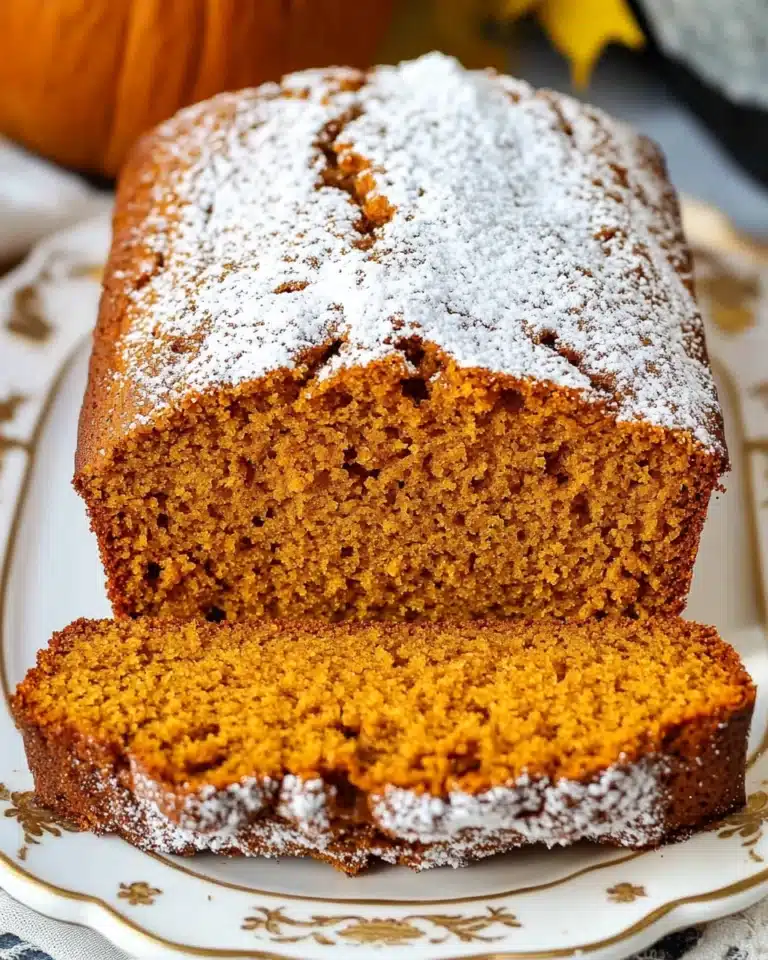
If you have been searching for a simple yet impressive homemade bread, this Easy Small Batch Ciabatta Rolls Recipe is your new best friend. With minimal ingredients and a straightforward process, you can create delightfully airy, crusty rolls that bring warmth and charm to any meal. These ciabatta rolls boast the perfect chewy texture and a beautiful golden crust, capturing that authentic Italian bakery experience without any hassle. Trust me, once you try this recipe, you’ll want to bake them again and again, whether for a cozy dinner or a weekend brunch.
Ingredients You’ll Need

Once you gather these few basic ingredients, you’ll see how each plays a crucial role in shaping the texture, flavor, and color of your ciabatta rolls. The beauty lies in the simplicity, yet the results are anything but plain.
- Instant yeast: Jumpstarts the dough’s rise, giving the rolls their lovely lift and airy crumb.
- Water at room temperature: Hydrates the flour and activates the yeast gently for perfect fermentation.
- All-purpose flour: Provides the structure and chewy bite essential to classic ciabatta.
- Salt: Enhances the overall flavor and strengthens the dough’s gluten network for that chewy texture.
How to Make Easy Small Batch Ciabatta Rolls Recipe
Step 1: Prepare the Dough
Start by dissolving the instant yeast in lukewarm water. You’ll notice a bubbly, fragrant mixture forming within minutes — that’s the magic beginning! Next, combine the flour and salt in a large bowl before pouring in the yeast water. Stir vigorously until there’s no dry flour left. Your dough will be extremely sticky, thanks to its high hydration. Cover it and let it rise for about an hour; this rest period allows those wonderful yeast bubbles to start developing.
Step 2: Stretch and Fold the Dough
This step is a game-changer for developing that signature open crumb. Wet your hands to handle the sticky dough and fold each edge towards the center. Cover and rest, then repeat this cycle two more times with 30-minute breaks in between. These gentle folds strengthen gluten without knocking out the precious air pockets forming inside. By the end, your dough will have roughly doubled in size and gained a wonderful elasticity.
Step 3: Shape the Dough
Turn the sticky dough onto a floured surface — don’t worry if it still feels tacky, that’s exactly what you want! Gently pull the dough into a rough rectangle, then roll it into a log and seal the edge. Cut this log into 4 or 5 equal pieces and space them apart on a floured work surface. Let these rolls rest and proof for about 40 minutes, allowing them to puff up nicely before baking.
Step 4: Bake Your Rolls
Move the rolls carefully onto a parchment-lined baking sheet, dusting with flour to make them easier to handle. Create steam in your oven by placing a pan filled with water at the bottom and preheating it to 420°F. Once steamy, spritz water on the dough and slide the tray in. After about 20 minutes, your rolls will be golden with a crisp crust. Wait 20 minutes to cool, then give the bottom a tap — a hollow sound means your ciabatta rolls are perfectly baked!
How to Serve Easy Small Batch Ciabatta Rolls Recipe

Garnishes
A light brush of melted butter or a sprinkle of coarse sea salt right after baking adds a wonderful shine and flavor boost to your ciabatta rolls. For a herbal touch, fresh rosemary or thyme can be gently pressed onto the dough before baking for a fragrant finish that gets everyone’s attention.
Side Dishes
These fluffy, crusty rolls pair beautifully with rustic soups, vibrant salads, or a rich pasta dish. Picture dipping them in warm tomato bisque or scooping up creamy risotto — they’re the perfect bread companion for soaking up every delicious bite.
Creative Ways to Present
Slice these rolls horizontally for mini sandwiches filled with your favorite deli meats, cheeses, or grilled veggies. You can also serve them warm with a flavored olive oil or balsamic vinegar dip, elevating your snack game and making your guests feel extra special.
Make Ahead and Storage
Storing Leftovers
Keep any leftover ciabatta rolls in an airtight container at room temperature. They stay fresh for up to two days, maintaining their chewy softness and crisp crust if stored properly.
Freezing
For longer storage, wrap the rolls tightly in plastic wrap and foil, then freeze. When you’re ready to enjoy, thaw at room temperature or gently warm them in the oven to revive their freshly baked charm.
Reheating
Reheat refrigerated or thawed rolls in a preheated 350°F oven for 5 to 7 minutes wrapped in foil for softness or unwrapped for a crispy crust. Avoid the microwave to keep that authentic texture intact.
FAQs
Can I use active dry yeast instead of instant yeast?
Yes, you can substitute active dry yeast, but be sure to dissolve it in water and let it proof for 5 to 10 minutes until bubbly before mixing with the flour. This helps ensure your dough rises properly.
Why is the dough so sticky?
The high hydration (meaning lots of water relative to flour) is essential to achieving the open, airy structure of ciabatta rolls. Sticky dough can be tricky, but handling it with wet hands and using the stretch and fold technique helps manage it perfectly.
How long can I let the dough rise?
You want to follow the timing for proofing closely (around 1 hour for the initial rise and then 3 total stretch-and-fold cycles with rests), but if your room is cooler, it might take a bit longer. Just keep an eye on the dough doubling in size and puffiness.
Can I make a larger batch?
Absolutely! This Easy Small Batch Ciabatta Rolls Recipe scales nicely. Just multiply the ingredients accordingly, though be mindful that your bowl size and rising times might need adjustment.
What makes ciabatta rolls different from regular rolls?
Ciabatta rolls are known for their light, airy crumb and a chewy crust with large air pockets. Their dough has a higher hydration level than typical rolls, which creates this unique texture and the rustic look.
Final Thoughts
There’s something incredibly satisfying about making your own bread from scratch, and this Easy Small Batch Ciabatta Rolls Recipe proves it can be both easy and rewarding. Whether you’re a beginner or a seasoned baker, these rolls will add a homemade touch to your meals that family and friends will adore. So, grab your ingredients and get ready to impress with this straightforward, delicious recipe that turns your kitchen into a little Italian bakery.
Print
Easy Small Batch Ciabatta Rolls Recipe
- Total Time: 4 hours
- Yield: 4 to 5 ciabatta rolls
- Diet: Vegetarian
Description
These easy small batch ciabatta rolls are perfect for homemade artisan bread with a crispy crust and airy, chewy interior. Made with simple ingredients and using a no-knead, stretch-and-fold method, the rolls develop great texture and flavor through multiple rise times and steam baking. Ideal for sandwiches or serving alongside soups and salads.
Ingredients
Ingredients
- 1 teaspoon instant yeast
- 240 grams water, at room temperature (approximately 1 cup)
- 300 grams all-purpose flour (approximately 2.5 cups)
- 1 teaspoon salt
Instructions
- Prepare the Dough: In a small cup, dissolve instant yeast in lukewarm water and stir. Allow it to sit for 2 minutes until it bubbles and smells yeasty. In a large bowl, combine the flour and salt. Pour in the yeast mixture and whisk until fully combined, scraping sides so there’s no dry flour remaining. The dough will be very sticky with about 80% hydration. Cover bowl tightly with plastic wrap and let it sit at room temperature for 1 hour to begin fermentation.
- Stretch and Fold the Dough: Moisten your hands with water and stretch the edges of the dough into the center, folding each side one at a time. Wet hands prevent sticking. Cover with plastic wrap and rest for 30 minutes. Repeat this stretch and fold three times total, with 30-minute rests between each fold. This process takes about 1.5 hours and helps build gluten strength while the dough rises and roughly doubles in size.
- Shape the Dough: Transfer the sticky dough to a floured surface. Sprinkle a bit more flour on top, then gently pull the dough underneath to form a rectangle without pressing out the air pockets. Roll it into a log and press the seam to seal. Divide the log into 4 or 5 equal pieces and place them spaced at least 2 inches apart on a floured work surface. Let them rest and proof for about 40 minutes.
- Bake the Ciabatta Rolls: Preheat your oven to 420°F and place a pan with water on the bottom rack to create steam. Transfer the proofed dough pieces carefully onto a parchment-lined 8×12-inch baking tray, dusting with flour as needed because the dough will remain sticky. Just before baking, spray the dough with water to encourage steam formation. Bake for 20 minutes until the crust is golden. After baking, cool the rolls on a rack for at least 20 minutes. To check doneness, tap the bottom; it should sound hollow.
Notes
- Use room temperature water to properly activate the yeast without killing it.
- The dough will be very wet and sticky, which is characteristic of ciabatta, so avoid adding too much extra flour.
- Applying steam during baking helps develop a crisp crust.
- Allowing the rolls to cool fully before slicing ensures the crumb sets nicely.
- If your kitchen is cooler, the fermentation and proofing times may need to be extended slightly.
- Prep Time: 15 minutes
- Cook Time: 20 minutes
- Category: Bread
- Method: Baking
- Cuisine: Italian