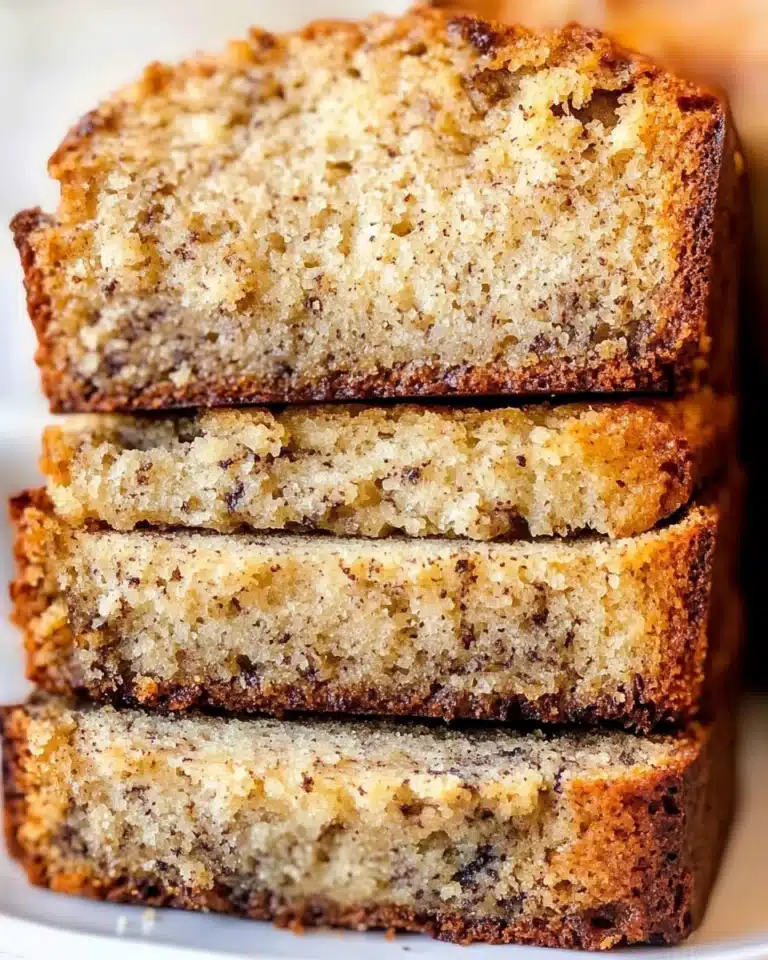
If you have ever dreamed of baking a bread that feels like a buttery, fluffy cloud yet has a rich golden crust, look no further than this Homemade Brioche Loaf Recipe. This classic French treat is an absolute showstopper, combining the delicate sweetness of brioche with a tender, melt-in-your-mouth texture that’s perfect for everything from morning toast to elegant sandwiches. With simple ingredients and a touch of patience, you can create this luxurious loaf right in your own kitchen and impress everyone from family to friends.
Ingredients You’ll Need

This Homemade Brioche Loaf Recipe relies on a handful of straightforward ingredients that each play an essential role in achieving its rich flavor and tender crumb. From the creamy butter that gives it its luscious softness to the yeast that creates the perfect rise, every item is a small but mighty hero in this recipe.
- Warm milk (¾ cup + 1 tbsp at 110℉): Activates the yeast gently while adding moisture to the dough.
- Granulated sugar (1 tsp + ⅓ cup): Feeds the yeast and provides just the right amount of sweetness.
- Active dry yeast (2¼ tsp or 1 package): The magic agent responsible for that perfect rise and airy crumb.
- Bread flour (3 cups): Gives structure and strength to hold all those tender bubbles inside.
- Salt (¾ tsp): Balances the sweetness and enhances the overall flavor.
- Egg yolks (2): Adds richness, color, and moisture for that distinctive brioche silkiness.
- Unsalted butter (6 tbsp, softened): The star ingredient that makes the brioche irresistibly soft and flavorful.
- Egg for egg wash: Creates a glossy, golden crust that makes the loaf look as good as it tastes.
How to Make Homemade Brioche Loaf Recipe
Step 1: Activate the Yeast
Start by gently warming your milk to about 110 degrees Fahrenheit—warm to the touch but not hot enough to kill the yeast. In a small bowl, mix the warm milk, sugar, and yeast, then let it sit undisturbed for about 5 minutes until the mixture becomes foamy and bubbling. This step confirms your yeast is alive and ready to work its magic.
Step 2: Combine Ingredients and Begin Kneading
Once the yeast is activated, add it to the bowl of your stand mixer along with bread flour, sugar, salt, and egg yolks. Fit your mixer with the dough hook attachment and let it knead for at least 10 minutes. You’ll notice the dough starting to pull away from the sides, forming a rough ball — the foundation of a perfect brioche dough.
Step 3: Incorporate Butter and Continue Kneading
Slowly add the softened butter in small chunks, kneading continuously so it fully blends with the dough. This part takes some time—between 10 to 20 minutes—but it’s absolutely worth it. The dough transforms into a silky, stretchy ball that feels tacky but doesn’t stick to your fingers. Here, performing the windowpane test is crucial: stretch a small piece of dough until it becomes thin and translucent without tearing. This shows the gluten has developed perfectly.
Step 4: First Rise in the Refrigerator
Lightly oil a large bowl and place your dough inside, covering it tightly. Pop it in the fridge for at least 12 hours, or up to 24. This slow, cool fermentation deepens the flavor and improves the texture. For a quicker version, let the dough rise for 1 to 2 hours at room temperature, but the slow method is worth the wait.
Step 5: Shape the Dough
Once the dough has risen, gently deflate it by punching it down. Divide it into eight equal pieces and shape each into a smooth ball by folding the edges toward the center and rolling gently on your work surface. This careful shaping ensures even baking and those beautiful, pillowy portions in your loaf pan. Arrange the dough balls in a parchment-lined 9×5 loaf pan, cover with plastic wrap, and let rise for another 1 to 2 hours, watching for the dough to puff past the rim without overproofing.
Step 6: Prepare for Baking
Preheat your oven to 350 degrees Fahrenheit (180 degrees Celsius). Beat an egg and brush it generously over the top of the dough to create that stunning glossy crust that’s signature to brioche.
Step 7: Bake to Golden Perfection
Bake your loaf for 30 to 35 minutes, keeping a close eye as the crust develops a deep golden color. If it browns too quickly, tent some foil over the top midway through baking to prevent burning. Your goal is a beautiful golden exterior with an internal temperature of about 190 degrees Fahrenheit (88 degrees Celsius). Afterward, let cool in the pan for 10 to 15 minutes before transferring to a wire rack to cool fully.
How to Serve Homemade Brioche Loaf Recipe

Garnishes
A simple dusting of powdered sugar or a light spread of fruit jam can elevate your Homemade Brioche Loaf Recipe to new heights. For breakfast or brunch, whipped cream and fresh berries are divine companions that complement the buttery richness without overpowering it.
Side Dishes
Brioche is incredibly versatile—it pairs beautifully with savory sides like scrambled eggs, sautéed mushrooms, or even a hearty stew. For a sweet twist, serve with warm maple syrup and fresh fruit for an indulgent start to your day.
Creative Ways to Present
Transform your brioche into decadent French toast by dipping thick slices into an egg and cream mixture before pan-frying until golden. Or turn it into sliders or mini sandwiches with gourmet fillings. The soft, tender crumb holds both sweet and savory options spectacularly, making it a feast for both eyes and palate.
Make Ahead and Storage
Storing Leftovers
Any leftover Homemade Brioche Loaf Recipe keeps wonderfully in an airtight container at room temperature for up to three days. This allows you to enjoy its fresh softness without needless dryness or staleness.
Freezing
You can freeze the brioche loaf whole or sliced. Wrap it tightly in plastic wrap and then a layer of aluminum foil to preserve freshness. Frozen brioche maintains its quality for up to three months, perfect for baking ahead and enjoying later.
Reheating
To reheat, unwrap the desired slices and toast them lightly, or warm the whole loaf in a 300 degrees Fahrenheit oven wrapped in foil for about 10 to 15 minutes. This brings the softness back and refreshes that irresistible buttery aroma.
FAQs
Can I make the dough without a stand mixer?
Absolutely! While a stand mixer with a dough hook makes kneading easier, you can knead the dough by hand. It will take a bit more time and effort, around 20-25 minutes, but you’ll be rewarded with the same luscious brioche texture.
What if I don’t have bread flour? Can I use all-purpose flour?
While bread flour is preferred for better gluten development and structure, all-purpose flour can be substituted in a pinch. Your loaf might be slightly less chewy but will still taste fantastic and have a tender crumb.
Is it okay if my dough is a bit sticky?
Yes! Brioche dough is naturally tacky due to its high butter content. The dough should be soft and slightly sticky to the touch but not overly wet or impossible to handle.
Can I add flavors like vanilla or citrus zest to this recipe?
Definitely! Adding a teaspoon of vanilla extract or a tablespoon of lemon or orange zest can give your Homemade Brioche Loaf Recipe a delightful twist. Just add these along with the wet ingredients during mixing.
How do I know when the brioche loaf is fully baked?
Besides the lovely golden crust, an internal temperature of 190 degrees Fahrenheit (88 degrees Celsius) indicates your brioche is baked through. You can also gently tap the bottom—the loaf should sound hollow.
Final Thoughts
There is something truly special about baking your own bread, especially when it’s a beautiful Homemade Brioche Loaf Recipe that fills your kitchen with irresistible aromas and results in a tender, buttery slice of heaven. Don’t rush the process—embrace every step and soon you’ll have a loaf that feels like a warm hug wrapped in golden crust. Your family and friends will be asking for this recipe again and again, trust me!
Print
Homemade Brioche Loaf Recipe
- Total Time: 15 hours 50 minutes
- Yield: 1 loaf (8 servings)
Description
This classic Brioche Loaf recipe yields a rich, buttery bread with a tender crumb and golden crust. Perfect for breakfast or as a decadent base for sandwiches, the dough undergoes a slow refrigerator rise for enhanced flavor and texture, then is shaped into individual balls baked together in a loaf pan. The soft, slightly sweet bread is finished with a glossy egg wash for an appealing shiny gold top.
Ingredients
Dough Ingredients
- ¾ cup + 1 tbsp warm milk, 110℉
- 1 tsp granulated sugar
- 2¼ tsp active dry yeast (1 package)
- 3 cups bread flour
- ⅓ cup granulated sugar
- ¾ tsp salt
- 2 egg yolks
- 6 tbsp unsalted butter, softened
For Egg Wash
- 1 egg, beaten
Instructions
- Activate Yeast: In a small bowl, combine the warm milk, active dry yeast, and 1 teaspoon sugar. Let it sit for about 5 minutes until foamy, indicating the yeast is active.
- Mix Dough: In the bowl of a stand mixer fitted with a dough hook, add bread flour, ⅓ cup sugar, salt, 2 egg yolks, and the yeast mixture. Knead on medium speed for at least 10 minutes until a rough dough forms that starts to pull away from the bowl.
- Incorporate Butter: Gradually add the softened butter, a little at a time, while continuing to knead for an additional 10-20 minutes until the dough is smooth, silky, and tacky but not sticky to the touch. The dough should pass the windowpane test, stretching thin without tearing.
- First Rise: Place the dough in a lightly oiled bowl, cover it, and refrigerate for at least 12 hours and up to 24 hours for slow fermentation. Alternatively, for a same-day method, allow it to rise 1-2 hours at room temperature until doubled.
- Prepare Pan: Line a 9×5-inch loaf pan with parchment paper, leaving edges hanging to ease bread removal.
- Shape Dough: Punch down the risen dough to release air, divide into 8 equal pieces, and shape each into smooth balls by folding edges inward and rolling on a work surface.
- Second Rise: Place dough balls in two rows inside the prepared loaf pan. Cover with plastic wrap and let rise at room temperature for 1-2 hours until dough rises above the pan rim. Check starting at 1 hour to avoid overproofing.
- Preheat Oven & Egg Wash: Preheat oven to 350℉ (180℃). Beat one egg in a small bowl and brush the top of the dough balls with the egg wash to promote a golden, shiny crust.
- Bake: Bake the loaf for 30-35 minutes until the top is golden brown and the internal temperature reaches 190℉ (88℃). If browning too quickly, tent with foil after 20-25 minutes to prevent burning.
- Cool & Serve: Remove the loaf from the oven and cool at least 10-15 minutes before lifting it out using parchment overhang. Let cool completely before slicing. Store any leftovers in an airtight container for up to 3 days.
Notes
- The warm milk temperature of about 110℉ is crucial to properly activate the yeast without killing it.
- The windowpane test ensures enough gluten development in the dough for good structure.
- The slow cold rise enhances flavor and texture but can be substituted with a shorter same-day rise at room temperature.
- Use parchment paper in the pan to easily remove the brioche loaf after baking.
- Keep an eye on the crust during baking and tent with foil if it starts to brown excessively.
- Letting the bread cool fully before slicing keeps the crumb from becoming gummy.
- Store leftovers in an airtight container to maintain freshness for up to 3 days.
- Prep Time: 15 minutes
- Cook Time: 35 minutes
- Category: Bread
- Method: Baking
- Cuisine: French