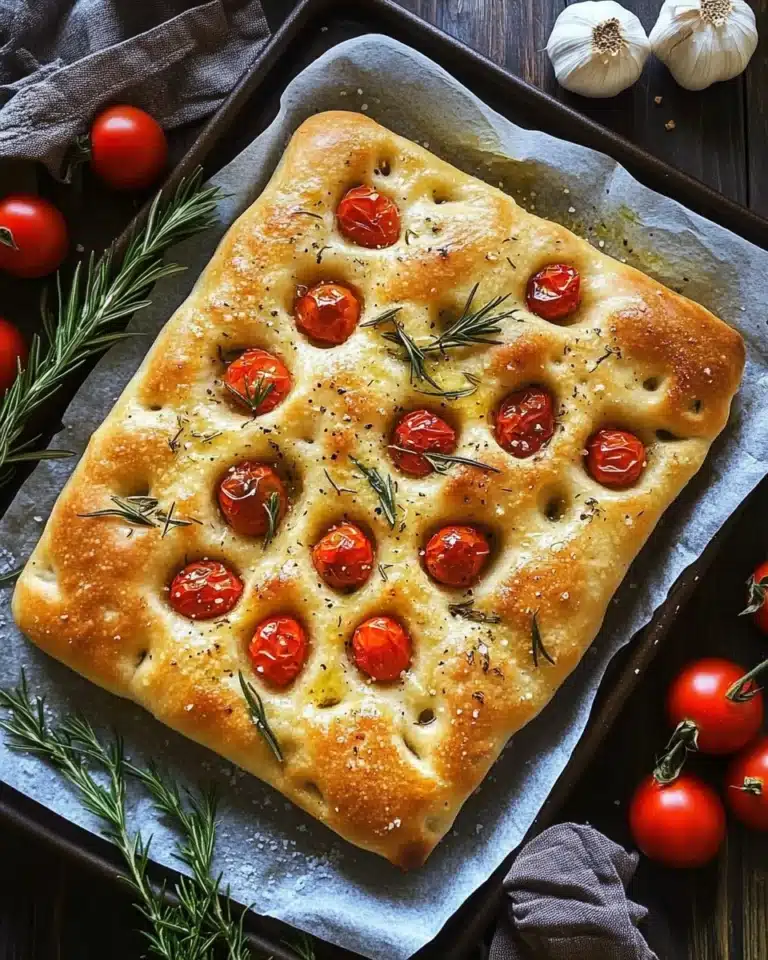
If you love the idea of soft, pillowy bread infused with vibrant green pesto and a crispy golden crust, then you’re going to be head over heels for this Pesto Focaccia Recipe. It’s one of those magical breads that feels fancy enough for guests but is surprisingly simple to make at home. The delightful aroma of basil, garlic, and olive oil mingles with the warm bread, making each bite a perfect balance of fragrant, cheesy, and slightly salty goodness that will have you reaching for seconds (and thirds) without hesitation.
Ingredients You’ll Need

Gathering a handful of straightforward ingredients is all it takes to create this luscious Pesto Focaccia Recipe. Each component plays a starring role—from the robust bread flour that gives the focaccia its chewy texture to the vibrant basil pesto that injects fresh, herbaceous flavor.
- Bread flour (585 g / 4 ½ cups): Provides the perfect protein structure for a chewy and tender crumb.
- Instant yeast (2 ¼ teaspoons): Speeds up fermentation and helps the dough rise beautifully without fuss.
- Sugar or honey (1 teaspoon): Feeds the yeast and adds a subtle touch of sweetness.
- Cooking or kosher salt (1 teaspoon): Enhances the flavors and balances the dough.
- Warm water (2 cups / 500 ml): Activates the yeast and hydrates the flour for perfect dough development.
- Olive oil (2 tablespoons plus extra): Adds richness, helps with dough elasticity, and crisps the crust.
- Basil pesto (⅓ cup): Bursts of bright, herby flavor that make this focaccia unforgettable.
- Finely shredded parmesan (1 tablespoon): Adds savory depth and a slightly nutty note on top.
- Flaky sea salt: Sprinkled over the baked focaccia for a delightful crunch and salty finish.
How to Make Pesto Focaccia Recipe
Step 1: Combine and Form the Dough
Start by mixing your bread flour, instant yeast, sugar, and salt (toss the salt to the side of the bowl to avoid killing the yeast) with warm water using a spatula until a shaggy, loose dough forms. This is where the magic begins as you bring all those simple yet essential ingredients together.
Step 2: Optional Refrigerated Fermentation
If you want to deepen the flavor complexity and get an even air bubble distribution, cover your dough and chill it in the fridge overnight or up to 72 hours. This slow fermentation step is a wonderful option but not mandatory—you can proceed directly to shaping if short on time.
Step 3: First Rise and Stretch & Folds
Cover your bowl with plastic wrap and place it in a warm spot for one hour. Every 15 minutes, perform stretch and folds by lifting each side of the dough (think north, south, east, west) and folding it over the center, rotating the bowl 90 degrees each time. This strengthens the gluten and encourages a beautiful rise.
Step 4: Final Rest After Stretching
After your four rounds of stretch and folds (done every 15 minutes), let the dough rest for an additional 15 minutes. It should puff up noticeably, nearly doubling from its original size—a sign it’s ready for the next stage.
Step 5: Preheat and Prep Your Baking Pan
Set your oven to 220°C (200°C fan forced) or 425°F. Meanwhile, drizzle a little olive oil into a deep 9×13 inch (23×33 cm) baking pan and rub it all over the base and sides so your focaccia won’t stick and gets a golden edge.
Step 6: Second Rise in the Pan
Transfer your dough into the prepared pan. Gently stretch and press it out to the corners—it’s okay to coax it along by lifting and letting its weight stretch it naturally. Cover with plastic wrap again and let it prove for 45-60 minutes until it’s thick, bubbly, and jiggles when you gently shake the pan.
Step 7: Final Touches Before Baking
Drizzle 2 tablespoons of olive oil evenly over the dough’s surface and spread it with your hands. Dollop the vibrant basil pesto over the top, spreading it gently so you get ribbons of green throughout the focaccia. Sprinkle the finely shredded parmesan and a generous pinch of flaky sea salt. Then dimple the dough all over by pressing your fingertips deeply—this gives focaccia its signature rustic texture and helps hold the toppings.
Step 8: Bake to Golden Perfection
Bake for 23 to 26 minutes until the edges and bottom are a gorgeous golden brown and the crust is crisp. That amazing aroma will fill your kitchen, signaling that your Pesto Focaccia Recipe is ready to be devoured.
How to Serve Pesto Focaccia Recipe

Garnishes
Freshly chopped basil or a light drizzle of extra virgin olive oil compliments the existing flavors perfectly. A sprinkle of grated parmesan or thin slices of sun-dried tomatoes can add visual appeal and an extra pop of taste.
Side Dishes
Pesto focaccia is fantastic paired with a bright salad, soups like tomato basil or minestrone, or topped with fresh mozzarella and ripe tomatoes for a delicious bruschetta-style snack.
Creative Ways to Present
Slice the focaccia into strips to serve alongside antipasto platters, or cube it to top pasta salads for an extra herbaceous crunch. You can even use it as the base for personalized focaccia pizzas by adding your favorite toppings before a quick re-bake!
Make Ahead and Storage
Storing Leftovers
Wrap leftover focaccia tightly in plastic wrap or keep in an airtight container at room temperature. It will stay fresh for up to 2 days without losing its delightful texture or flavor.
Freezing
You can freeze the focaccia whole or in slices by wrapping tightly in foil and placing it in a freezer-safe bag. It keeps well for up to 3 months, making it a perfect make-ahead treat.
Reheating
To bring back that fresh-baked crispness, reheat the focaccia in a 180°C (350°F) oven for about 10 minutes. Avoid microwaves if you want to keep the crust invitingly crunchy.
FAQs
Can I use regular all-purpose flour instead of bread flour?
While bread flour is ideal for its higher protein content that gives focaccia its chewy texture, you can use all-purpose flour in a pinch. Just expect the crumb to be a little softer and less structured.
Do I have to use instant yeast or can I use active dry yeast?
Instant yeast works best since it absorbs faster and doesn’t require proofing, but you can substitute active dry yeast by proofing it in warm water with sugar before mixing with the flour.
How important is the stretch and fold technique?
Stretch and folds strengthen your dough’s gluten network, trap air to create beautiful bubbles, and improve texture, so it’s worth the extra effort to get the best results.
Can I make this focaccia without the refrigerated fermentation?
Yes! The overnight ferment is optional and enhances flavor and texture. If time is tight, simply follow the regular rising and folding steps for delicious bread.
Is this recipe suitable for vegans?
Almost—just skip the parmesan or swap it for a vegan cheese alternative and ensure your pesto is free from dairy to maintain that vibrant herb flavor.
Final Thoughts
This Pesto Focaccia Recipe is genuinely one of those comforting breads that feels special but is absolutely do-able for home bakers of all levels. Its inviting aroma, tender crumb, and punchy pesto make every bite memorable. I encourage you to dive in, get a little messy with your hands, and enjoy this wonderful Italian classic fresh from your oven. Trust me, your family and friends will be asking for more!
“`
Print
Pesto Focaccia Recipe
- Total Time: 2 hours 58 minutes
- Yield: 8 servings
Description
This Pesto Focaccia recipe yields a beautifully golden, crisp, and fluffy Italian flatbread infused with fresh basil pesto and topped with Parmesan and flaky sea salt. Featuring an optional slow fermentation for enhanced flavor and airiness, this focaccia is perfect served as a snack, appetizer, or alongside meals.
Ingredients
Dough Ingredients
- 585 g bread flour (4 ½ cups, spooned and levelled)
- 2 ¼ teaspoons instant yeast
- 1 teaspoon sugar or honey
- 1 teaspoon cooking salt or kosher salt
- 2 cups warm water (500 ml)
- 2 tablespoons olive oil (plus more for greasing)
Topping Ingredients
- ⅓ cup basil pesto
- 1 tablespoon finely shredded Parmesan cheese
- Flaky sea salt for sprinkling
Instructions
- Mix the Dough: In a large bowl, combine bread flour, instant yeast, sugar, and salt placed to the side of the bowl. Add warm water and mix everything thoroughly with a spatula until the dough comes together into a combined but shaggy mass.
- Optional Refrigerated Fermentation: Cover the dough and refrigerate overnight or up to 72 hours to develop deeper flavor and even air bubble distribution. If using this method, you can skip stretch and folds and go directly to the second rise.
- First Rise & Stretch and Folds: Cover the dough bowl with plastic wrap and leave in a warm spot for 1 hour. Every 15 minutes, perform a set of stretch and folds. To do so, imagine the dough has four sides (north, south, east, west). Lift the dough from underneath on the north side and fold it over the top, then rotate the bowl 90 degrees and repeat this action on each side for a total of four folds. Repeat this entire set three more times at 15-minute intervals, for a total of four stretch-and-fold sets.
- Rest and Bulk Rise: After the final stretch and fold, cover the bowl again and let the dough rest and puff up for another 15 minutes. It should roughly double in size after about 1 hour and 15 minutes total.
- Preheat the Oven: Preheat your oven to 220°C (200°C fan forced) or 425°F.
- Prepare the Baking Pan: Drizzle some olive oil into a deep 23 x 33 cm (9 x 13 inch) baking pan and rub it around evenly on the base and sides to prevent sticking.
- Second Rise: Transfer the dough into the prepared pan and gently stretch it out to reach almost to the corners by pushing, prodding, lifting, and letting gravity help spread it. Cover with plastic wrap and proof in a warm spot for 45 to 60 minutes until the dough appears puffy, bubbly, and jiggles when you shake the pan gently.
- Prepare for Topping: Without punching down the dough, drizzle 2 tablespoons of olive oil evenly over the surface and gently spread it with your hands.
- Apply Pesto and Cheese: Dollop the basil pesto evenly over the dough and spread with your hands to cover the surface. Sprinkle the shredded Parmesan cheese and add a generous pinch or two of flaky sea salt on top.
- Dimple the Dough: Using the fingertips of both hands, press down firmly all over the dough to create characteristic dimples.
- Bake the Focaccia: Place the pan in the preheated oven and bake for 23 to 26 minutes until the top and base are golden brown and the crust is crisp.
- Serve and Enjoy: Remove from oven and allow to cool slightly before slicing. Enjoy as a flavorful bread accompaniment or snack. Don’t forget to leave a comment and rating if you enjoyed this recipe!
Notes
- Refrigerated fermentation is optional but highly recommended for more complex flavor development and better texture.
- Use bread flour for better gluten development and structure.
- Performing stretch-and-folds during the first rise strengthens the dough and helps with airiness.
- Be gentle when stretching dough into the pan to preserve air bubbles.
- Dimpling the dough before baking creates the signature focaccia texture.
- If you prefer, you can substitute basil pesto with other herb or garlic pestos for variety.
- Prep Time: 25 minutes
- Cook Time: 25 minutes
- Category: Bread
- Method: Baking
- Cuisine: Italian