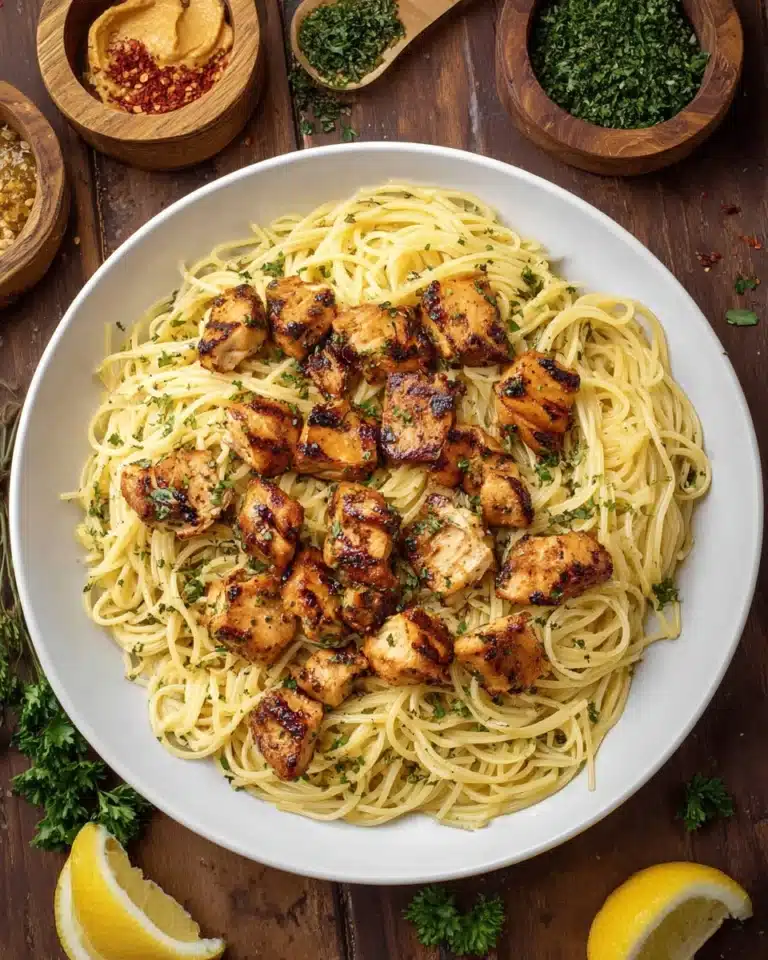
If you have ever craved a dish that’s fresh, vibrant, and bursting with umami, you are about to fall head over heels for this Sesame Salmon Sushi Bowl Recipe. It’s a wonderful fusion of tender, perfectly seared salmon glazed in a savory-sweet sauce, nestled atop a bed of vinegared sushi rice, dotted with crisp pickled vegetables, creamy avocado, and finishing touches like seaweed strips and a sesame-soy mayo drizzle. This bowl delivers incredible depth of flavor and texture, making it the perfect easy meal that impresses every single time.
Ingredients You’ll Need

Gathering these simple yet essential ingredients is the first step toward creating a dish that sings with every bite. Each element plays its part perfectly—the sushi rice lays a soft, slightly tangy foundation, the salmon brings juicy richness, and the pickled veggies provide a zesty crunch and vibrant color that truly elevate the bowl.
- 1 lb. salmon, skin removed, diced: Choosing fresh salmon ensures a tender, flaky texture after searing.
- 1.5 tablespoons sesame oil: Adds a toasty, nutty aroma that enhances the salmon’s flavor.
- 1/3 cup soy sauce: Delivers umami punch and a subtle salty sweetness to the glaze.
- 2 cloves garlic, finely minced: Brings a fragrant warmth that complements the fish beautifully.
- 1 teaspoon ginger paste: Adds a bright, zesty undertone for balance.
- 1.5 cups uncooked sushi rice: Provides a sticky, slightly sweet base that holds the dish together.
- 2 cups water: Necessary for perfectly cooking the sushi rice fluffy and tender.
- 1/4 cup seasoned rice vinegar: Gives the rice that signature tang that makes sushi rice so unique.
- 1 cup pickled sliced cucumbers: Adds refreshing crunch and acidity to brighten each bite.
- 1 cup pickled matchstick carrots: Offers a sweet-sour punch and vibrant color.
- 1 avocado, thinly sliced: Creamy texture and mild flavor bring balance and richness to the bowl.
- 2 sheets seaweed, cut into strips: Adds an essential oceanic touch and chewiness.
- 1 tablespoon Furikake: A Japanese seasoning that adds umami and a delightful crunch.
- 1/4 cup Kewpie mayo: Creamy and slightly tangy mayo that is perfect for making the finishing drizzle sauce.
- 1 tablespoon soy sauce: For mixing into the mayo to make a luscious drizzle.
- 1/2 teaspoon sesame oil: Enhances the mayo with a subtle toasted sesame flavor.
How to Make Sesame Salmon Sushi Bowl Recipe
Step 1: Prepare the Sushi Rice
Cooking sushi rice properly is crucial since it forms the perfect base. Rinse the rice to remove excess starch, then cook with the exact water measurement until fluffy and tender. While the rice is still warm, drizzle the seasoned rice vinegar over it and gently fold to distribute the tangy flavor evenly without smashing the grains. This technique creates that iconic sushi rice texture and taste you’ll love.
Step 2: Sear the Salmon
Heat the fragrant sesame oil in a large skillet over medium-high heat. Season your salmon pieces simply with salt and pepper, then place them carefully in the hot pan. Let each side develop a rich, golden-brown crust that locks in moisture and flavor. This searing step creates a deliciously caramelized exterior that is pure perfection in every bite.
Step 3: Simmer in the Glaze
After searing, add soy sauce, minced garlic, and ginger paste to the pan. Lower the heat to medium-low and let the salmon simmer in this savory mixture for a few minutes so the glaze gently reduces and clings beautifully to the fish. This step infuses the salmon with that irresistible umami depth that defines the Sesame Salmon Sushi Bowl Recipe.
Step 4: Assemble Your Bowl
Now comes the fun part—building your bowl. Start with a generous scoop of sushi rice as the base. Arrange the pickled cucumbers, matchstick carrots, sliced avocado, and seaweed strips in colorful clusters around the salmon pieces. Each component adds unique texture and flavor contrasts that make your bowl visually stunning and exciting to eat.
Step 5: Make the Sesame Soy Mayo Drizzle
Whisk together Kewpie mayo, soy sauce, and sesame oil in a small bowl until smooth and creamy. This luscious sauce elevates the entire bowl with its rich, tangy, and nutty notes. Drizzle generously over the assembled ingredients to tie all the flavors together perfectly.
Step 6: Add the Finishing Touches
Sprinkle Furikake on top for extra umami and a touch of crunchiness. This Japanese seasoning blends seaweed, sesame seeds, and spices creating irresistible pops of flavor that really complete your Sesame Salmon Sushi Bowl Recipe experience.
How to Serve Sesame Salmon Sushi Bowl Recipe

Garnishes
Fresh herbs like cilantro or thinly sliced scallions can brighten the bowl wonderfully without overpowering the flavors. A sprinkle of toasted sesame seeds or a few pickled ginger slices also works beautifully to enhance both aesthetics and taste.
Side Dishes
This bowl is beautifully balanced on its own but pairs exceptionally well with a light miso soup or a crisp seaweed salad for a full Japanese-inspired meal. Some crunchy edamame or tempura vegetables on the side can add variety and heartiness if you want something extra.
Creative Ways to Present
Serve your bowl in deep, colorful ceramic dishes to showcase its vibrant colors. For a fun twist at gatherings, offer customizable toppings laid out in small bowls so everyone can build their own sushi bowl masterpiece with different combos of pickled veggies, sauces, and garnishes.
Make Ahead and Storage
Storing Leftovers
Store any leftover sushi rice and cooked salmon separately in airtight containers in the refrigerator. Keeping components separate preserves their individual textures and flavors for maximum freshness.
Freezing
This dish is best enjoyed fresh, so freezing is not recommended. The texture of both sushi rice and cooked salmon will deteriorate and become mushy upon thawing, which affects the overall experience.
Reheating
When reheating leftovers, gently warm the salmon on low heat to avoid drying it out, and the rice can be microwaved with a damp paper towel to retain moisture. Add fresh slices of avocado and pickles after reheating to restore brightness and texture.
FAQs
Can I use other types of fish instead of salmon?
Absolutely! While salmon is perfect for this recipe due to its richness and texture, you can substitute with tuna, yellowtail, or even cooked shrimp if you prefer. Just be sure to adjust cooking times accordingly.
Is it necessary to use seasoned rice vinegar?
Seasoned rice vinegar contains a bit of sugar and salt that balances the acidity and enhances the rice’s flavor. If you don’t have it, you can mix plain rice vinegar with a little sugar and salt to achieve a similar effect.
What can I use instead of Kewpie mayo?
Kewpie mayo has a unique creaminess and umami flavor, but if you don’t have it, regular mayonnaise mixed with a small splash of soy sauce works well as a substitute for the drizzle.
How long does this bowl take to prepare?
This Sesame Salmon Sushi Bowl Recipe takes about 15 minutes to prepare, making it a fantastic option for a quick, flavorful weeknight dinner that doesn’t compromise on taste.
Can this recipe be made gluten-free?
Yes, simply substitute traditional soy sauce with a gluten-free tamari or coconut aminos to keep the dish safe for gluten-sensitive diets without losing any of its signature flavor.
Final Thoughts
There’s nothing quite like a bowl that feels both wholesome and indulgently delicious at the same time, and this Sesame Salmon Sushi Bowl Recipe definitely delivers that. The harmony of savory salmon, tangy sushi rice, crisp pickled vegetables, and creamy avocado makes it an all-around winner that’s sure to become a fast favorite. I can’t wait for you to give it a try and enjoy every single vibrant bite as much as I do!
Print
Sesame Salmon Sushi Bowl Recipe
- Total Time: 15 minutes
- Yield: 4 servings
- Diet: Low Salt
Description
This Sesame Salmon Sushi Bowl is a vibrant and flavorful dish combining perfectly cooked sushi rice with seared sesame salmon, pickled vegetables, avocado, and a delicious soy mayo drizzle. Ready in just 15 minutes, it’s a fresh and satisfying meal that’s easy to prepare and packed with umami flavors.
Ingredients
Salmon and Marinade
- 1 lb. salmon, skin removed, diced into 1″ pieces (or larger)
- 1.5 tablespoons sesame oil
- 1/3 cup soy sauce
- 2 cloves garlic, finely minced
- 1 teaspoon ginger paste
Rice and Vegetables
- 1.5 cups uncooked sushi rice (makes about 4 cups when cooked)
- 2 cups water
- 1/4 cup seasoned rice vinegar
- 1 cup pickled sliced cucumbers
- 1 cup pickled matchstick carrots
- 1 avocado, thinly sliced
- 2 sheets seaweed, cut into strips
Toppings and Sauce
- 1 tablespoon Furikake
- 1/4 cup Kewpie mayo
- 1 tablespoon soy sauce
- 1/2 teaspoon sesame oil
Instructions
- Cook the Sushi Rice: Prepare the sushi rice according to the package instructions, typically by rinsing the rice, then cooking it with the specified amount of water until tender.
- Season the Rice: While the rice is still warm, drizzle the seasoned rice vinegar over it. Use a rice paddle or large spoon to gently fold the vinegar into the rice, ensuring it is evenly combined without smashing the grains.
- Heat the Skillet: Place a large skillet over medium-high heat and add the sesame oil, warming it until shimmering.
- Prepare the Salmon: Season the diced salmon pieces with salt and pepper on all sides to enhance their flavor.
- Sear the Salmon: Add the salmon pieces to the hot skillet and cook on all sides until a dark golden-brown crust forms, which should take a few minutes per side.
- Add Aromatics and Simmer: Pour in the soy sauce, minced garlic, and ginger paste. Reduce the heat to medium-low and let the salmon simmer gently for 2 to 3 minutes allowing the flavors to meld and the sauce to reduce slightly.
- Assemble the Bowls: Distribute the seasoned sushi rice among four bowls. Top each with portions of pickled cucumbers, pickled carrots, avocado slices, seaweed strips, and the seared salmon pieces.
- Prepare the Soy Mayo Sauce: In a small bowl, whisk together the Kewpie mayo, soy sauce, and sesame oil until smooth and well combined.
- Finish and Serve: Drizzle the soy mayo sauce over each bowl, sprinkle generously with Furikake seasoning, and serve immediately to enjoy the full flavors and textures.
Notes
- Use fresh salmon for best flavor and texture;
- Seasoned rice vinegar adds traditional sushi rice tanginess—do not skip;
- You can substitute pickled vegetables with fresh cucumber and carrot ribbons if preferred;
- Kewpie mayo gives a creamy umami punch, but regular Japanese mayo can work as a substitute;
- Furikake is a Japanese seasoning blend usually containing seaweed, sesame seeds, and fish flakes; it’s optional but adds great flavor and crunch.
- Prep Time: 5 minutes
- Cook Time: 10 minutes
- Category: Main Course
- Method: Frying
- Cuisine: Japanese