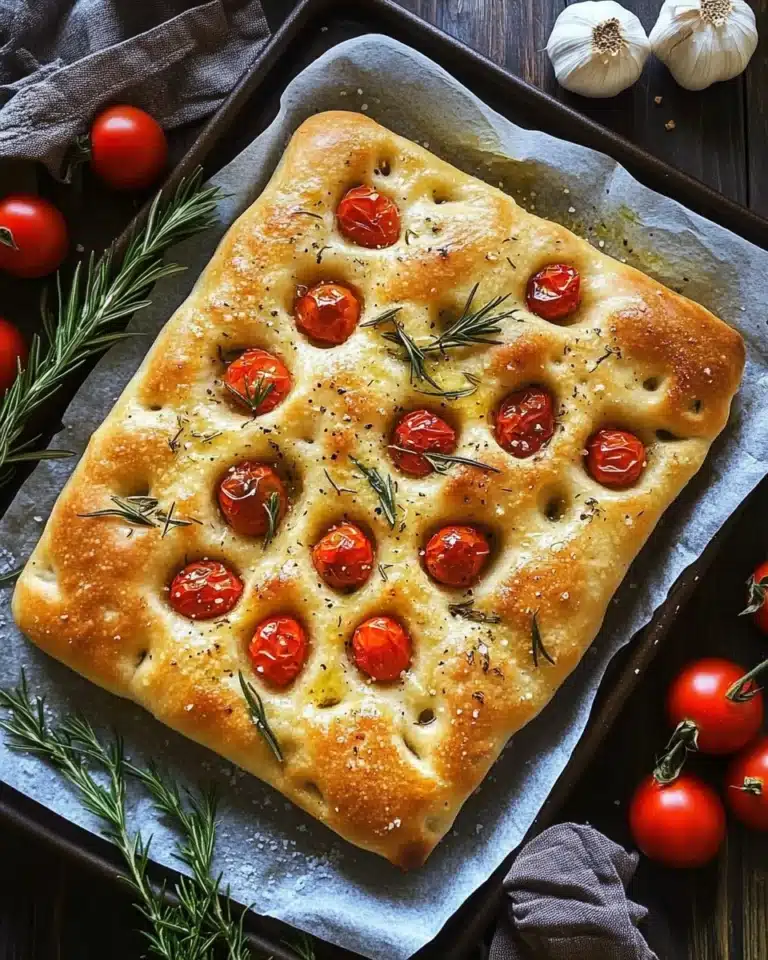
If you have a passion for bread baking and crave that perfect combination of chewy texture and complex flavor, you are absolutely going to fall in love with this Sourdough Bagels Recipe. These bagels boast a deep, tangy flavor from the natural sourdough starter and a satisfyingly dense yet airy bite that only a true artisan bagel can deliver. Whether you’re new to sourdough or a seasoned baker, crafting these beauties at home will be an incredibly rewarding experience, and you’ll enjoy the warm aroma filling your kitchen for hours.
Ingredients You’ll Need

Getting started with this Sourdough Bagels Recipe is easier than you think because it calls for simple, wholesome ingredients that each play a critical role in the final product’s taste, texture, and appearance. Each component is a building block to that iconic bagel crust and chewy crumb.
- 332 grams active starter: This is your sourdough’s flavor powerhouse, bringing natural fermentation and tang.
- 464 grams water (just under 2 cups): Hydrates the dough, creating elasticity and soft crumb.
- 1,112 grams bread flour (9 1/4 cups): Provides strong gluten structure essential for chewy bagels.
- 110 grams brown sugar: Adds subtle sweetness and helps develop the bagels’ golden crust.
- 22 grams salt: Enhances flavor and tightens gluten to improve texture.
How to Make Sourdough Bagels Recipe
Step 1: Mix and Form the Dough
Begin by combining your active starter with water, ensuring the starter dissolves smoothly into the liquid. Next, add the bread flour, brown sugar, and salt. Mix everything together just until a shaggy dough forms. This is your first look at the dough that will soon transform into those classic bagel shapes.
Step 2: Knead to Smoothness
Transfer the dough onto a clean surface and knead for about five minutes. You want it smooth and elastic — this kneading builds the gluten network that gives bagels their famous chew. Once achieved, let the dough rest for one hour to relax and hydrate, then knead it a bit more and shape into a tight ball for bulk fermentation.
Step 3: Bulk Ferment Overnight
Cover the dough and leave it at room temperature for 6 to 12 hours, or overnight if your kitchen is cooler. The dough should double in size, signaling that the natural fermentation is well underway, developing those signature tangy notes and improving texture.
Step 4: Divide and Pre-shape
Once your dough has doubled, gently deflate and divide it into 12 equal portions, roughly 170 grams each. Shape each into tight balls — this will help create even bagels that bake uniformly. Let these balls rest, covered, for about 20 minutes to ease the shaping process.
Step 5: Shape the Bagels
Now the fun part: poke a hole through the center of each ball and gently stretch it into a traditional bagel ring shape. Lay the formed bagels on parchment paper squares atop a baking sheet, cover, and allow them to rise until puffy and nearly jiggly—this can take 3 to 4 hours. This slow rise is crucial for their airy bite.
Step 6: Boil with Honey
Bring a large, wide pot of water to a boil and stir in 50 grams of honey. Carefully drop the bagels in one or two at a time, boiling each side for 30 seconds to two minutes depending on your preferred chewiness and crust thickness. This step sets the crust and contributes glorious shine and tenderness.
Step 7: Bake to Golden Perfection
Transfer boiled bagels to a baking sheet sprinkled lightly with cornmeal to prevent sticking. Bake them in a preheated 425°F (218°C) oven for 15 to 18 minutes. When golden and aromatic, remove and cool for at least 15 minutes before slicing to let the crumb set perfectly.
How to Serve Sourdough Bagels Recipe

Garnishes
Simple garnishes like toasted sesame seeds, poppy seeds, or coarse salt can be sprinkled on the bagels before baking for that classic touch. For a more decadent experience, spread on cream cheese or slice open to stuff with smoked salmon and capers — the possibilities to enhance these bagels are endless.
Side Dishes
Serve your sourdough bagels with sides that complement their hearty texture, such as fresh fruit, scrambled eggs, or a vibrant salad. A bowl of warm soup or a steaming cup of coffee also pairs beautifully, making it an ideal breakfast or brunch centerpiece.
Creative Ways to Present
Thinking beyond the traditional, slice your sourdough bagels to create delicious sandwiches with layers of avocado, tomato, turkey, or even a fried egg. You can also transform leftovers into bagel chips by slicing thinly and baking until crisp. Presentation is only limited by your imagination!
Make Ahead and Storage
Storing Leftovers
Leftover bagels keep best when stored in an airtight container or resealable bag at room temperature for up to two days. This maintains moisture without letting them get too soft or stale.
Freezing
To extend their shelf life, wrap bagels individually in plastic wrap and freeze them in a sealed freezer bag for up to three months. This method preserves their wonderful flavor and texture excellently.
Reheating
For reheating, simply slice and pop your bagel in a toaster or oven until warm and slightly crisp. Avoid microwaving as it can lead to a rubbery texture. Reheating this way helps revive that freshly-baked sensation.
FAQs
Can I use a different flour for this Sourdough Bagels Recipe?
Bread flour is preferred because of its higher protein content which creates the chewy texture bagels are known for. While you can try all-purpose flour, the texture will be less dense and not quite as chewy.
How do I know if my sourdough starter is active enough?
A lively starter should double in size within 4 to 6 hours of feeding and have plenty of bubbles on the surface. If it passes the “float test” by gently dropping a spoonful into water to see if it floats, it’s ready to use.
Can I add toppings before boiling or after?
Toppings like seeds and salt are best added immediately after boiling while the bagels are still wet, so they stick and bake into the crust. Adding them before boiling can cause them to wash off.
Why does the dough need to rest after shaping into balls?
This resting period relaxes gluten and makes it easier to shape the bagels without tearing, helping you achieve that perfect round shape with a smooth surface.
Is it necessary to boil bagels before baking?
Boiling is essential for that signature bagel crust and chewy texture. It gelatinizes the starch on the surface, giving bagels their shiny exterior and distinct bite that baking alone cannot achieve.
Final Thoughts
Making your own sourdough bagels from scratch might seem like an endeavor, but this Sourdough Bagels Recipe breaks it down into manageable, rewarding steps with results that will impress every time. Once you bite into one of these golden, chewy ring wonders fresh from your oven, you’ll understand why homemade bagels have a special place in the heart of any bread lover. Give it a try, and happy baking!
Print
Sourdough Bagels Recipe
- Total Time: 11 hours 48 minutes
- Yield: 12 bagels
Description
This recipe guides you through making classic sourdough bagels from scratch, featuring a slow fermentation process for maximum flavor and a chewy texture. These bagels are boiled briefly in honey-infused water before baking to achieve the perfect golden crust and dense, satisfying crumb.
Ingredients
Dough Ingredients
- 332 grams active sourdough starter
- 464 grams water (just under 2 cups)
- 1,112 grams bread flour (9 1/4 cups)
- 110 grams brown sugar
- 22 grams salt
Boiling Water
- 50 grams honey
- Water (enough to fill a large pot)
Instructions
- Mix the Dough: Combine the active sourdough starter with water in a large bowl. Add the bread flour, brown sugar, and salt, then mix until a shaggy dough forms.
- Knead Until Smooth: Knead the dough for about 5 minutes until it becomes smooth and elastic. Let it rest for 1 hour, then knead again briefly and shape into a tight ball.
- Bulk Fermentation: Cover the dough and let it bulk ferment at room temperature for 6 to 12 hours (or overnight in cooler temperatures) until it doubles in size.
- Divide and Rest: Divide the dough into 12 equal pieces (approximately 170 grams each) and shape each into a tight ball. Cover and let rest for 20 minutes.
- Shape Bagels: Poke a hole in the center of each dough ball, stretching it gently to form classic bagel shapes. Place each bagel on parchment paper squares on a baking sheet, cover, and allow them to rise until puffy and jiggly, about 3 to 4 hours.
- Boil Bagels: Bring a large, wide pot of water to a boil and add 50 grams of honey. Boil each bagel for 30 to 60 seconds per side (up to 2 minutes if desired) to set the crust and develop chewiness. Transfer boiled bagels to a baking sheet lined with parchment paper and lightly sprinkled with cornmeal.
- Bake: Preheat the oven to 425°F (218°C). Bake the bagels for 15 to 18 minutes or until golden brown and crisp on the outside.
- Cool: Allow the bagels to cool for at least 15 minutes before slicing to preserve their texture and flavor.
Notes
- Active sourdough starter is required; make sure your starter is bubbly and healthy before beginning.
- The bulk fermentation time can vary depending on room temperature; warmer environments speed up fermentation.
- Boiling bagels in honey water adds a subtle sweetness and helps develop a shiny crust.
- Resting the shaped bagels before boiling helps achieve their classic chewy texture and puffiness.
- Store leftover bagels in an airtight container or freeze for longer storage.
- For variation, add toppings like sesame seeds, poppy seeds, or everything bagel seasoning after boiling and before baking.
- Prep Time: 1 hour 30 minutes
- Cook Time: 18 minutes
- Category: Bread
- Method: Baking
- Cuisine: American