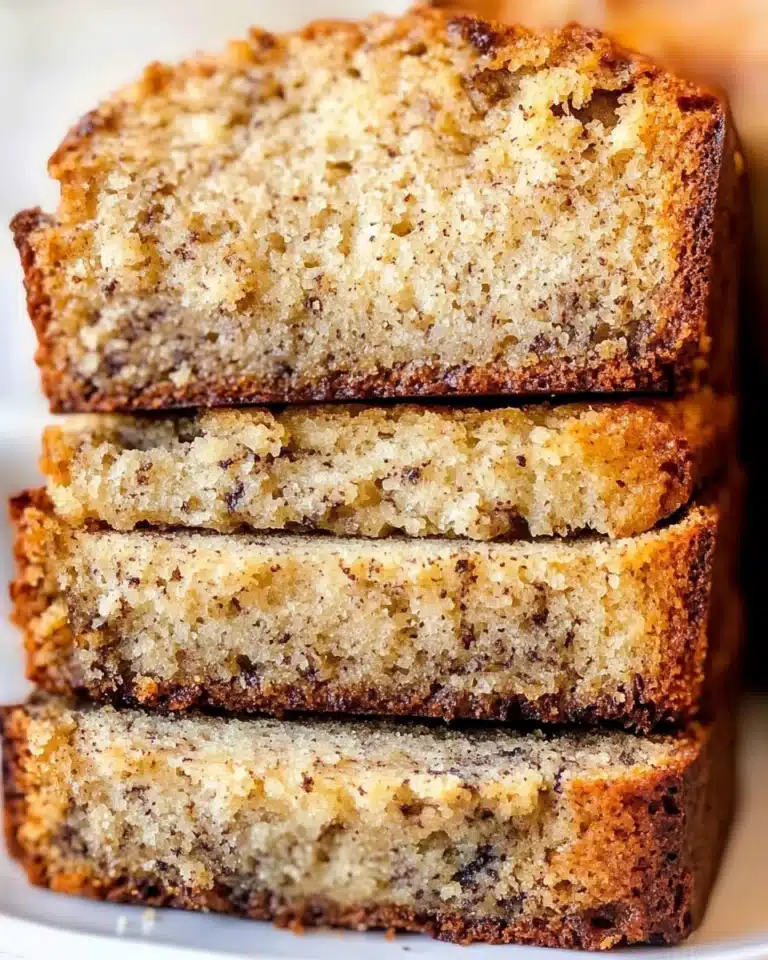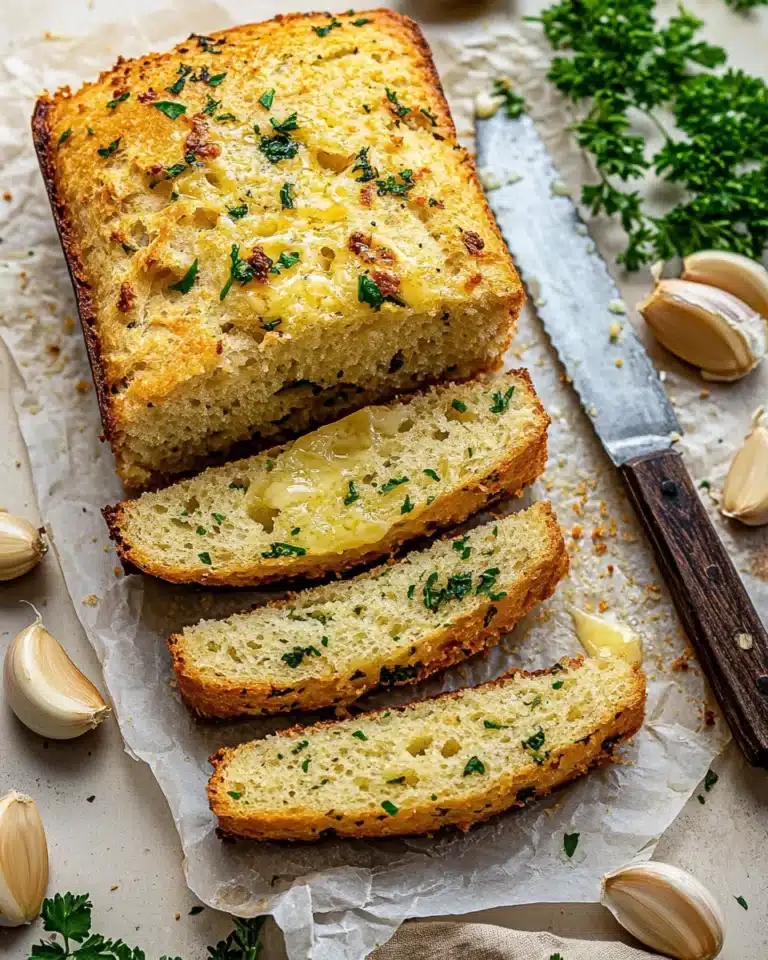
If you’ve ever yearned for a warm, aromatic bread that feels like a cozy hug on a plate but need to avoid gluten, then this Gluten-Free Rosemary Focaccia Recipe is your new best friend. Imagine a golden crust sprinkled with fragrant fresh rosemary, tender pockets of olive oil, and a soft, delicate crumb that melts in your mouth. This focaccia brings all the rustic charm of traditional Italian bread, thoughtfully reinvented to be gluten-free without compromising on flavor or texture. It’s perfect for sharing with loved ones or enjoying alongside your favorite meals, turning any table into a celebration.
Ingredients You’ll Need

This recipe is wonderfully straightforward, relying on simple, high-quality ingredients that each play a crucial role in delivering that perfect focaccia experience. From gluten-free flour that forms the tender base, to fresh rosemary that infuses the bread with herbal brightness, every element is essential.
- 2 1/2 cups gluten free 1:1 flour: I recommend King Arthur Flour Measure-for-Measure for consistent texture and rise.
- 2 teaspoons baking powder: Helps give the focaccia a light, airy crumb.
- 1 1/2 cups warm water (120-130°F): Activates the yeast and hydrates the flour just right.
- 1 1/4 oz instant or rapid rise yeast (2 1/4 teaspoons): The magic behind the rise and fluffiness.
- 1 tablespoon sugar or honey: Feeds the yeast and adds a gentle sweetness.
- 1 teaspoon kosher salt: Enhances all the other flavors.
- 4 tablespoons olive oil (divided): Adds moisture, richness, and that gorgeous golden crust.
- 1 tablespoon fresh rosemary: The fragrant star herb that gives this focaccia its signature aroma.
- 1-2 tablespoons vegan Parmesan or Parmesan cheese: Adds a subtle savory note and texture contrast.
- 1/2 teaspoon flaky sea salt (like Maldon): Perfect finishing salt that adds crunch and bursts of flavor.
- 1/4 teaspoon black pepper: A hint of spice to round out the toppings.
How to Make Gluten-Free Rosemary Focaccia Recipe
Step 1: Combine Dry Ingredients
Start by whisking together your gluten-free flour, kosher salt, and baking powder in a large bowl. This ensures that your leavening and seasoning are evenly distributed, setting a solid foundation for your focaccia’s texture and flavor.
Step 2: Warm The Water
Warm your water until it’s pleasantly warm to the touch but not hot, ideally between 120-130 degrees Fahrenheit. This perfect temperature activates your yeast without killing it, which is crucial for that lovely rise that gives your focaccia its tender crumb.
Step 3: Bloom The Yeast
Combine the yeast and sugar (or honey) into the warm water and give it a good stir. Let it rest for 3-5 minutes until foamy on top – this is your yeast waking up and ready to work its magic.
Step 4: Combine Wet and Dry Ingredients
Pour two tablespoons of olive oil and the yeast mixture into the flour blend and stir well. You’ll notice the dough is more batter-like—don’t worry, this is exactly right. There’s no kneading needed here, making it super easy and quick to prepare.
Step 5: Transfer To The Pan
Line an 8×8 or 9×9-inch metal baking pan with parchment paper and drizzle 2-3 tablespoons of olive oil on it. Carefully transfer the focaccia batter to the pan, using your fingertips dipped in olive oil to gently spread and pat it out evenly. Drizzle one more tablespoon of olive oil on top to keep the crust delightfully crispy.
Step 6: Let The Dough Rise
Cover the pan with plastic wrap or a clean dish towel and place it in a warm spot. Let your batter rise until it roughly doubles in size. This usually takes about 30 minutes with rapid rise yeast or around an hour with regular yeast, allowing your focaccia to develop its signature light texture.
Step 7: Preheat The Oven
About 20 minutes before your focaccia finishes rising, preheat your oven to 400 degrees Fahrenheit. A hot oven is essential to create that beautiful golden crust with just the right crunch.
Step 8: Dimple The Dough
Lightly coat your fingertips with olive oil and gently poke dimples all over the focaccia. These dips are traditional for focaccia and create those irresistible little pockets that catch extra olive oil and toppings – just be careful not to press too hard and flatten the dough.
Step 9: Add Toppings
Sprinkle fresh rosemary, vegan or regular Parmesan, flaky sea salt, and black pepper over the surface. Each of these gorgeous toppings adds layers of flavor that elevate this focaccia into something truly special.
Step 10: Bake to Perfection
Bake your focaccia at 400 degrees Fahrenheit for 25-30 minutes until it turns a rich golden brown. Then, let it cool for 10-12 minutes before slicing to allow the crumb to set beautifully, making it easier to enjoy those soft bites.
How to Serve Gluten-Free Rosemary Focaccia Recipe

Garnishes
Fresh herbs like thyme or extra rosemary sprigs can be sprinkled after baking for an extra burst of fragrance. A drizzle of high-quality olive oil or a light brush of garlic-infused oil immediately before serving pairs wonderfully and adds a vibrant gloss.
Side Dishes
This focaccia is a versatile companion; it shines alongside hearty soups, crisp salads, or as a base for open-faced sandwiches. Its tender crumb and olive oil richness perfectly complement Mediterranean dishes, roasted vegetables, or a simple cheese platter.
Creative Ways to Present
Try serving your focaccia torn into rustic chunks alongside a trio of dips like hummus, roasted red pepper sauce, and tzatziki for a casual gathering. Or, slice it horizontally for sandwiches stuffed with fresh mozzarella, tomato, and basil for an irresistible Italian-inspired lunch.
Make Ahead and Storage
Storing Leftovers
Wrap leftover focaccia tightly in plastic wrap or store in an airtight container at room temperature. It stays fresh for 2-3 days, retaining its tenderness if enjoyed within that window.
Freezing
If you want to enjoy your focaccia later, slice and freeze it in a sealed freezer bag for up to 2 months. This way, you can thaw slices as needed without compromising flavor or texture.
Reheating
Reheat focaccia in a 350-degree Fahrenheit oven for 8-10 minutes to restore its crispy crust and warm the interior. Avoid microwaving if possible, as it can make the bread gummy.
FAQs
Can I use regular yeast instead of instant or rapid rise yeast?
Absolutely! Using regular yeast will work perfectly, but it will take slightly longer for your focaccia to rise—about an hour instead of 30 minutes. Just be patient and allow the dough to double in size before baking.
Is this Gluten-Free Rosemary Focaccia Recipe suitable for vegans?
Yes, it certainly can be! Just opt for vegan Parmesan or omit cheese altogether, and use honey alternatives like agave or sugar to keep it fully plant-based without sacrificing flavor.
Can I make the focaccia free-form instead of in a pan?
You can! Shape the dough on a parchment-lined baking sheet oiled with olive oil to create a rustic, organic shape. The dough will be thinner and bake faster, so keep an eye on it while baking.
Will different gluten-free flours change the outcome?
Using a trusted gluten-free 1:1 flour blend like King Arthur’s Measure-for-Measure works best for this recipe. Other blends might require slight adjustments in liquid or baking time, so it’s best to experiment for your favorite brand.
How can I make my focaccia more flavorful?
Boost flavor by using high-quality extra virgin olive oil, fresh herbs, and finishing with coarse sea salt. You can also add toppings like caramelized onions, olives, or sun-dried tomatoes for exciting variations.
Final Thoughts
Making this Gluten-Free Rosemary Focaccia Recipe is such a joy, and the results are incredible enough to convert anyone—even those not avoiding gluten. It’s tender, flavorful, and comes together with surprising ease, making it a treasured addition to your bread repertoire. Give it a try and watch it become a go-to crowd-pleaser in your kitchen!
Print
Gluten-Free Rosemary Focaccia Recipe
- Total Time: 40 minutes
- Yield: 9 servings
- Diet: Gluten Free
Description
This gluten-free focaccia with rosemary is a wonderfully aromatic and fluffy bread perfect for those avoiding gluten. Featuring a light and airy texture, this focaccia is enhanced with fresh rosemary, olive oil, and a sprinkle of parmesan or vegan parmesan cheese, providing a deliciously savory experience. The recipe uses gluten-free flour and rapid rise yeast for a quick and easy baking process, producing a golden-brown, flavorful bread perfect as a side dish or snack.
Ingredients
Dry Ingredients
- 2 1/2 cups (300 grams) gluten free 1:1 flour (recommended: King Arthur Flour Measure-for-Measure flour)
- 2 teaspoons baking powder
- 1 teaspoon kosher salt
Wet Ingredients
- 1 1/2 cups warm water (120-130°F)
- 1 1/4 oz. package instant or rapid rise yeast (2 1/4 teaspoons)
- 1 tablespoon sugar (or honey or agave)
- 4 tablespoons olive oil, divided
Toppings
- 1 tablespoon fresh rosemary
- 1–2 tablespoons vegan parmesan or Parmesan cheese
- 1/2 teaspoon flaky sea salt (such as Maldon)
- 1/4 teaspoon black pepper
Instructions
- Combine Dry Ingredients: In a large bowl, whisk together the gluten-free flour, kosher salt, and baking powder. Set this mixture aside for now.
- Warm The Water: Heat the water until warm but not hot, ideally between 120-130°F, using a microwave or stovetop. You can do a touch test to ensure it’s comfortable to hold your finger in the water for several seconds without burning.
- Bloom The Yeast: Add the instant yeast and sugar (or honey/agave) to the warm water. Stir to combine and let it rest for 3-5 minutes until it becomes foamy on the surface.
- Combine Wet & Dry Ingredients: Pour 2 tablespoons of olive oil and the yeast mixture into the bowl with the dry ingredients. Stir thoroughly to combine. The mixture will be more of a batter than a traditional dough and does not require kneading.
- Transfer To The Pan: Prepare an 8×8 or 9×9 metal baking pan by lining it with parchment paper. Drizzle 2-3 tablespoons of olive oil over the parchment. Transfer the batter to the pan and spread it out evenly, using your oiled fingertips or a spatula. Drizzle 1 more tablespoon of olive oil on top.
- Let The Dough Rise: Cover the pan with plastic wrap or a clean towel and let the dough rise in a warm place. If using rapid rise yeast, rise for at least 30 minutes; regular yeast requires about an hour. The dough should double in size.
- Preheat The Oven: About 20 minutes before the dough finishes rising, preheat your oven to 400°F (205°C).
- Dimple The Dough: Lightly coat your fingertips with olive oil and gently press dimples into the dough surface, creating the classic focaccia texture. You can drizzle some olive oil on top before dimpling to make this easier.
- Add Toppings: Sprinkle fresh rosemary, your choice of parmesan or vegan parmesan, flaky sea salt, and black pepper evenly over the dough.
- Bake: Place the pan in the preheated oven and bake for 25-30 minutes, or until the focaccia is golden brown on top.
- Cool & Store: Remove from oven and allow the focaccia to cool for at least 10-12 minutes before slicing and serving. Store leftovers in an airtight container at room temperature for 2-3 days, or freeze for up to 2 months.
- Optional Free-Form Method: You may also let the dough rise in the mixing bowl covered with plastic wrap, then transfer to a parchment-lined baking sheet oiled with 2 tablespoons olive oil and shape into an 8×10 inch rectangle. Top and bake as directed for a thinner, more rustic focaccia.
Notes
- Make sure the water temperature is correct to properly activate the yeast; too hot will kill it.
- The dough/batter is wetter and thinner than traditional wheat focaccia dough and should not be kneaded.
- The rise time varies depending on the yeast used; rapid rise yeast takes about 30 minutes, while regular yeast takes about an hour.
- Use parchment paper to prevent sticking and make cleanup easier.
- The addition of vegan parmesan or Parmesan is optional but adds great flavor and texture.
- Olive oil is added at multiple steps to keep the focaccia moist and create a beautiful golden crust.
- If you prefer a thinner focaccia, try the free-form baking method on a baking sheet.
- Prep Time: 10 minutes
- Cook Time: 25-30 minutes
- Category: Bread
- Method: Baking
- Cuisine: Italian